One Hand Up, One Hand Down: What’s With A Mixed Grip Deadlift?
The mixed grip deadlift can help you lift heavier, but it’s not the only grip option, nor is it always the best one.

January 19, 2026 - Updated January 19, 2026
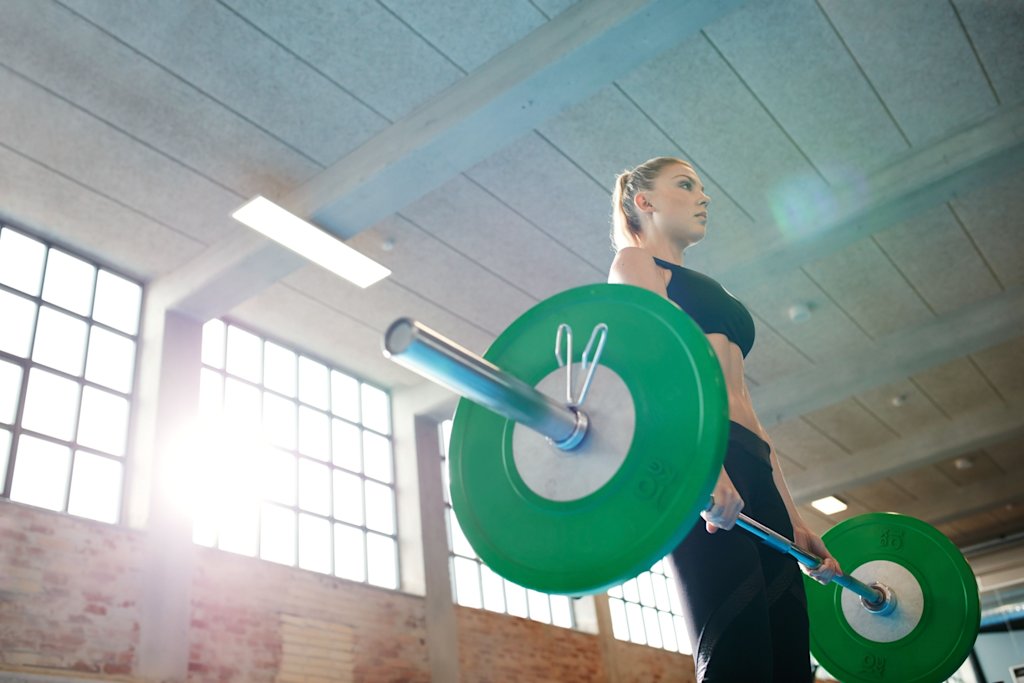
If you’ve ever watched someone deadlift and wondered why they’ve got one hand facing forward and one hand facing back, you’ve spotted a mixed grip.
It’s one of the most talked-about (and debated) deadlift grips out there. Some lifters swear by it, others avoid it completely. So what’s the deal? Should you be using it?
Let’s break it down.
What does “mixed grip” actually mean?
A mixed grip means one hand holds the bar with an overhand grip (palm facing backwards) while the other uses an underhand grip (palm facing forwards).
This grip is most commonly used in conventional deadlifts, especially as the weight gets heavier.
What’s the point of using a mixed grip?
Short answer: It helps stop the bar from slipping out of your hands.
When you use a double overhand grip, the barbell naturally wants to roll out of your hands as the weight increases. A mixed grip prevents this because each hand is resisting the bar rolling in opposite directions, effectively locking it in place.
Benefits of a mixed grip:
Stronger hold on the bar (especially at heavier weights)
Less grip fatigue compared to a double overhand grip
Allows you to lift heavier weights without grip strength being the limiting factor
Is there a reason NOT to use mixed grip?
Mixed grip isn’t inherently risk-free, but there are a couple of reasons you might want to stick with a double overhand grip.
Mixed grip can create slight asymmetry through your shoulder and torso muscles
Mixed grip can increase the strain on the biceps of your underhand arm, especially if that arm bends or you rush your lift
There’s an easy way to fix this: If you use mixed grip regularly, switch which hand is underhand between sets or sessions to reduce imbalance, and make sure you lift with straight arms and controlled speed to reduce strain.
So… What deadlift grip is best for you?
It depends on your goal and where you’re at in your fitness journey.
Go with a double-overhand grip if you’re a beginner, building grip strength or lifting a light to moderate weight. It’s the most balanced and symmetrical grip, it will help you build your grip strength, and the injury risk is lowest.
Go with a mixed grip if you’re doing heavy deadlifts, when your grip strength is limiting your lifting progression, or you’re doing powerlifting. Just remember to keep your arms long, alternate sides occasionally, and go back to the overhand grip every now and then.
Better grip, better lifts
Mixed grip isn’t “cheating,” nor is it dangerous - it’s simply a tool you can use strategically to support your goals and progression with your deadlifts.
Erin is a writer and editor at Sweat with years of experience in women's publishing, the fitness industry, media and tech. She's passionate about the power of movement, and you can often find her on a yoga mat, a hike, a dance floor, in the ocean or the gym.
* Disclaimer: This blog post is not intended to replace the advice of a medical professional. The above information should not be used to diagnose, treat, or prevent any disease or medical condition. Please consult your doctor before making any changes to your diet, sleep methods, daily activity, or fitness routine. Sweat assumes no responsibility for any personal injury or damage sustained by any recommendations, opinions, or advice given in this article.
Fitness