The Newbie Gains Phase Is Real, But It Doesn't Last Forever
If you've just started working out and you're already seeing or feeling changes - amazing. Here's what newbie gains actually are and what to do when the rapid progress slows down.

March 27, 2026 - Updated March 27, 2026
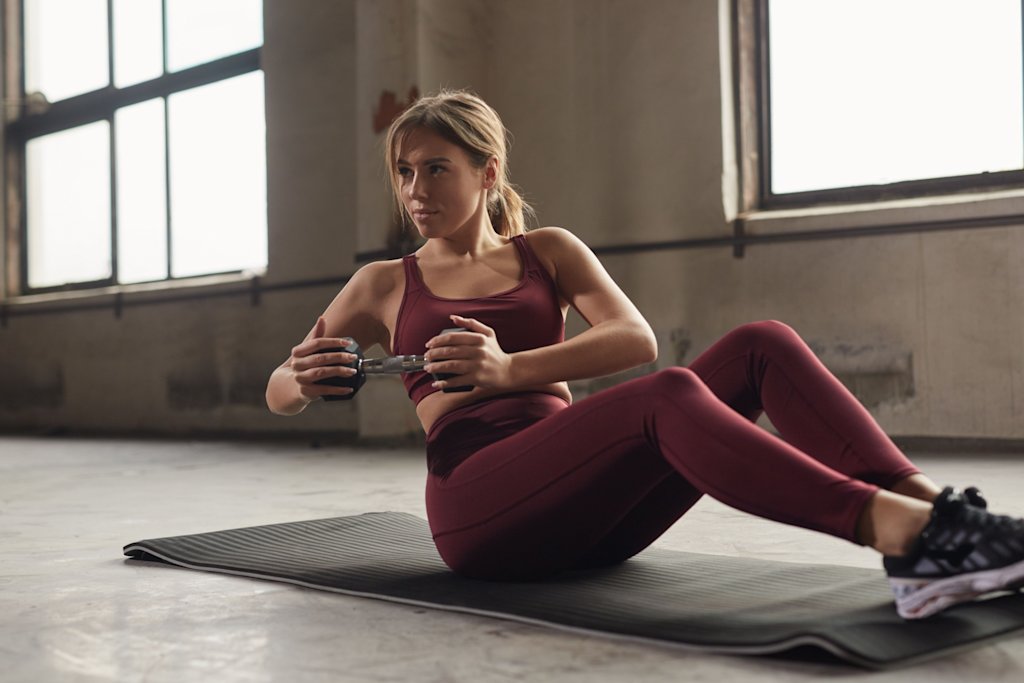
There's a special kind of magic that happens when you first start training. You show up, you put in the work, and within weeks, you start noticing changes. You're feeling great and progressing quite quickly. But everything you've heard is that progress takes time and you need to be patient.
Make it make sense???
What you're experiencing is what the fitness world calls newbie gains. They're one of the most exciting (and fleeting) phases of your fitness journey. We're going to break down exactly what they are, why your body does this, how long you can expect them to last, and the most important part — what to do when they inevitably slow down. Because (sorry) they will.
So, what actually are newbie gains?
Newbie gains (sometimes called beginner gains) refer to the rapid improvements in strength and body composition that happen when you're new to resistance training. We're talking faster muscle growth, greater confidence with exercises, noticeable strength increases, and physical changes that feel almost unreal at first.
It sounds too good to be true, but the science backs it up. When your body encounters a new stimulus, such as lifting weights for the first time, it can respond aggressively. Your nervous system, your muscles and your hormones all show up to the party at once to support you.
Why does it happen?
There are two big reasons progress can happen quickly at the beginning:
Your nervous system is learning fast. A huge chunk of early strength gains aren't actually about increased muscle size at all. They're neurological. Your brain is getting better at recruiting muscle fibres and coordinating movement patterns. Think of it like giving your phone a software update. The hardware (your muscles) is still the same, but the operating system is suddenly way more efficient, so you feel like you're killing it. Research published in the Journal of Physiology found that just four weeks of strength training produced significant improvements in motor unit recruitment and firing rate, well before any meaningful muscle growth had even occurred.
Your muscles are responding to a brand new challenge. When your muscles experience resistance training for the first time, they encounter a level of stress they've never had to adapt to before. The result is a stronger anabolic (muscle-building) response. Your body is essentially picking up what you're throwing down and doing the best it can to be ready. A 2025 review published in Frontiers in Physiology confirmed that untrained individuals have a larger adaptive reserve, meaning they often respond rapidly to basic training because their baseline is so low, and this is something experienced lifters can't replicate.
How long do newbie gains last?
Honestly, it varies. Most people experience the newbie gains window for roughly the first three to six months of consistent training. Some women see accelerated progress for up to a year, depending on training frequency, recovery, and nutrition.
What is consistent across the research is that your rate of progress slows over time. The newbie gains pace won't stick around forever, unfortunately. That's not because you've done anything wrong; it's because your body has adapted. You've actually levelled up, even if it doesn't feel that way when your lifts plateau, or it feels like you're suddenly not getting better anymore.
Ultimately, you've made significant improvements (which is exactly what you want), but it can still feel pretty disheartening.
What to do when you plateau
First things first: a plateau is not a failure. It's a sign that your body has adjusted to the demands of your training and your new routine. What once was enough to get your body to level up is no longer enough. That's not a failure, that's a flex. Here's what we suggest:
Progressive overload is your new best friend. If your body has adapted to what you're doing, you need to give it a new reason to grow. That means gradually increasing the challenge with progressive overload (by adding weight, reps, or sets, or by reducing rest time). Small, consistent increases over time are the foundation of long-term progress.
Take a look at your nutrition. Are you eating enough protein? This one is often overlooked, especially by women, who've been conditioned for years to eat less rather than eat well. Muscle repair and growth require adequate protein intake, so aim to include a protein source with every meal. Most research points to around 1.6–2.2g per kg of body weight per day as a solid target for people who train regularly. If you're training hard but not fuelling properly, that could absolutely be what's holding you back.
Shake up your routine. Your body is smart, and it gets efficient at movements you repeat. Introducing new exercises, changing the order of your session, or trying a completely different program can provide the fresh stimulus your body needs.
Prioritise recovery. Sleep, rest days, and stress management are not negotiable. Your body needs rest time to rebuild and repair. If you're training hard but sleeping badly or running on empty, your progress will stall. We know life is busy, but rest isn't lazy or unproductive. It's an essential part of the work.
Zoom out. Progress after the newbie gains phase is slower, but it's also way more meaningful. Every kilo added to a lift represents real, hard-earned adaptation. Try not to feel too deflated — this is when the gains start to deserve even more celebration, and you realise you're building habits for life.
Enjoy the head start
Newbie gains are one of fitness's greatest gifts. They're like a head-start that rewards you for showing up and gets you completely hooked on feeling strong. They don't last forever, but what they leave behind is a foundation you can build on for the rest of your life.
When the quick wins slow down, that's not when you give up; that's when you change gears. Stay consistent, keep challenging yourself in different ways, and trust the process. Trust us - the best is still to come.
Erin is a writer and editor at Sweat with years of experience in women's publishing, the fitness industry, media and tech. She's passionate about the power of movement, and you can often find her on a yoga mat, a hike, a dance floor, in the ocean or the gym.
* Disclaimer: This blog post is not intended to replace the advice of a medical professional. The above information should not be used to diagnose, treat, or prevent any disease or medical condition. Please consult your doctor before making any changes to your diet, sleep methods, daily activity, or fitness routine. Sweat assumes no responsibility for any personal injury or damage sustained by any recommendations, opinions, or advice given in this article.
Fitness