Tiny Pulses, Insane Burn: What To Expect From Barre Workouts
We break down everything you need to know about this ballet-inspired training style.

April 27, 2026 - Updated April 27, 2026
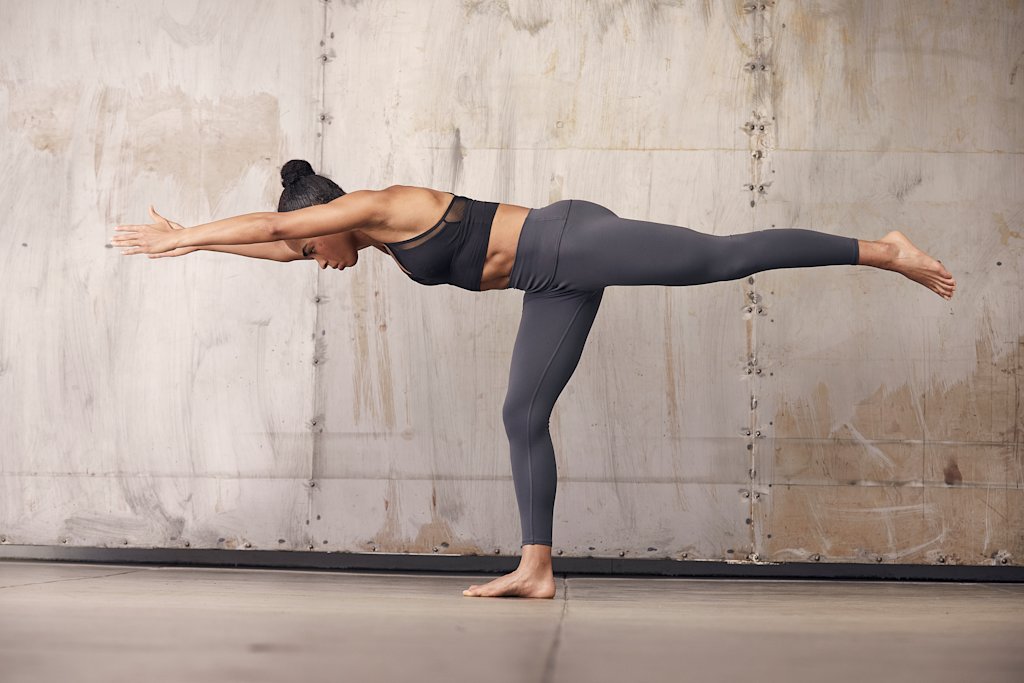
If you've scrolled past a barre workout on TikTok and thought "that looks elegant but also kind of brutal," you're not wrong.
Barre is one of those workouts that looks incredibly graceful from the outside and absolutely destroys you from the inside, in the best way possible. We live for those videos of men shaking like a leaf in a barre class while the women are poised and strong.
But what is a barre workout, really? Is there dancing involved? Is it Pilates or strength? Do you need any ballet experience? What kind of results can you expect? Let's break it all down.
What is a barre workout?
A barre workout is a low-impact exercise style that combines elements of ballet, Pilates, yoga, and strength training. The "barre" refers to the ballet barre, that horizontal ballet barre you'll find fixed to the wall in a dance studio (if you've never stepped foot in a dance studio, it's just a wooden handrail).
If you go to a barre class in a studio, the barre is used as a stability prop to support your balance while you work through a series of small, controlled movements. If you do barre at home and need something to hold for support, a chair, kitchen bench or table can all do the trick.
When it comes to the actual workout, think tiny pulses, deep isometric holds, and a whole lot of standing on one leg while your thighs quietly scream. The movements themselves don't form a ballet routine, but they're inspired by how ballet dancers train: high reps, a low range of motion, and a serious focus on posture and alignment.
Most barre classes include similar elements like a warm-up, upper body work (sometimes with light weights), barre work targeting your lower body and glutes, core work on the mat, and a cool-down stretch. A typical session runs anywhere from 30 to 60 minutes.
What are the benefits of barre workouts?
Don't let the graceful vibe fool you. Barre delivers real, evidence-backed results, and it's hard.
It builds strength without heavy weights. Barre uses isometric contractions, where the muscle is under tension but not changing length. This approach has been shown to build muscular endurance and strength, particularly in the quads, glutes, calves, and core. Research published in the Journal of Human Kinetics confirms that isometric training is an effective method for improving muscular strength, especially for those who want to build functional strength without heavy lifting.
It improves posture and body awareness. All that focus on alignment and core engagement isn't just aesthetic. Barre teaches you to stand taller, move with intention, and develop a much deeper connection to how your body actually works. This is huge for everyday life, especially if you spend a lot of time sitting at a desk.
It's seriously good for your core. Barre is essentially one long core workout in disguise. Almost every exercise requires you to stabilise through your centre, even when you're technically working your legs. Over time, this translates into greater stability, reduced risk of lower back pain, and a stronger foundation for all other types of training.
It increases flexibility. The stretching built into every barre session supports better joint mobility and muscle flexibility. Studies have shown that regular flexibility training can reduce injury risk and improve overall physical performance.
It's low-impact, but definitely not low-intensity. This is the big one. Barre is joint-friendly, which makes it ideal for people recovering from injury, those who prefer to avoid high-impact exercise, or anyone who wants a cardio-free strength session that still leaves them feeling worked. However, people often think low-impact is synonymous with low-intensity, and that couldn't be further from the truth. Barre workouts can feel extremely intense.

Why is barre so popular, and is it for you?
Barre isn't new; it's been around since the 1950s, when German dancer Lotte Berk developed it as a rehabilitation method after a back injury. But it's exploded in popularity over the last decade, and the reasons are pretty straightforward: it's accessible, it works, and it's actually enjoyable.
You don't need to be a dancer, super fit, or have the coordination of a ballerina to start. It translates beautifully to a home, hotel or holiday workout environment. The music, the vibe, and the mix of grace and grit keep people coming back. And as a complement to other training styles like strength or HIIT, it fills real gaps in your routine, such as mobility, balance, stabiliser strength, endurance, and recovery-friendly movement.
And as Britany Williams always says, barre is for pretty much everyone. It's a great starting point if you're new to exercise, a smart choice if you're returning from injury or postpartum recovery, and a genuinely useful addition if you're already training and want to be challenged in a whole new way. Brit even has her own Pregnancy Barre program in the Sweat app, which is a big deal given how limited good prenatal workout content can be.
One thing to know going in: barre is harder than it looks. Be ready to be humbled. Those tiny movements with long holds build up fast. You'll likely feel muscles you didn't know you had, and that's exactly the point.
What to expect from your first barre workout
If you're trying barre for the first time (either in a studio or with one of Brit's programs), here's what you should know going in.
Some workouts don't need any equipment, but you'll typically use a mat, and sometimes a pair of light dumbbells (1-2kg is genuinely enough to start) and a resistance band.
The movements are small but sustained. You'll be doing pulses, holds, and slow reps, not big explosive movements. This is what makes barre different from most other training styles. The burn comes from fatigue over time, not from effort in the moment. Even people who are super fit and strong give barre a go and find it challenging.
Don't be surprised if you wobble. A lot. Balance work is a big part of barre, and it's tough even for experienced exercisers. That wobble is your stabiliser muscles working. Embrace it, laugh at yourself, grit your teeth - it's all part of it.
Your form matters more than your range. Barre is not about going lower, lifting heavier, or working faster. It's about control. If Brit or your instructor in a class is cueing you to squeeze, stabilise, or correct your posture, then listen to those cues.
By session three or four, things that felt impossible will start to feel a bit easier. The progression curve is one of the most satisfying parts of barre training.
Try something new
Barre is one of those silent assassin workouts. It looks so elegant, graceful and easy, until you actually try it and every round of pulses has your muscles screaming and somehow... you're hooked. If you're looking for somewhere to start, give Brit's Total Body Barre program a go.
A more empowered you starts with Sweat, and our editorial team is here to bring you the latest fitness tips, trainer recommendations, wellbeing news, nutritional advice, nourishing recipes and free workouts.
* Disclaimer: This blog post is not intended to replace the advice of a medical professional. The above information should not be used to diagnose, treat, or prevent any disease or medical condition. Please consult your doctor before making any changes to your diet, sleep methods, daily activity, or fitness routine. Sweat assumes no responsibility for any personal injury or damage sustained by any recommendations, opinions, or advice given in this article.
Fitness