The Best High Protein Breakfast Ideas
Getting protein in early is one of the simplest things you can do to support your training and energy. Here are some of our fave options.

March 30, 2026 - Updated July 14, 2026
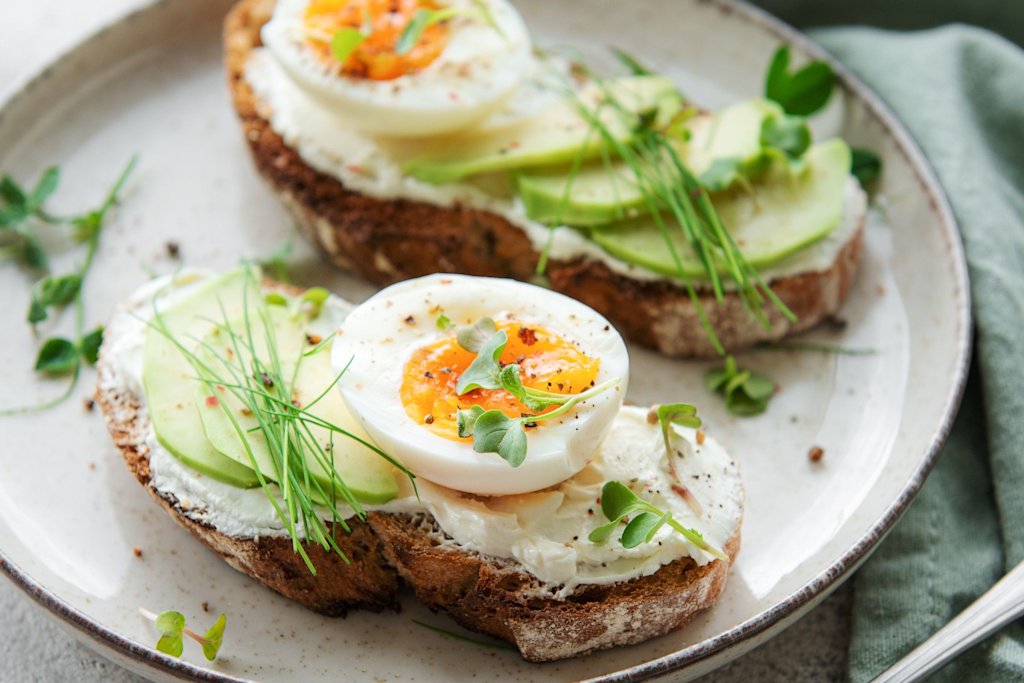
Prioritising protein is one of the most important, and luckily one of the easiest, things you can do to support your training and energy. Here are the best high-protein breakfast ideas for busy mornings — quick options, prep-ahead meals, sweet and savoury, and all genuinely delicious.
Why protein at breakfast actually matters
Eating a high-protein diet and making sure you're eating enough protein are talked about a lot, and your breakfast is worth taking seriously. As part of our recent high-protein yoghurt collab with YoPRO, we delved into all things breakfast nutrition with their Nutrition Manager and Accredited Practising Sports Dietitian, Teri Lichtenstein.
When you exercise, particularly strength training, you create small amounts of stress and microtears in your muscle tissue. That damage isn't an injury; it's how you get stronger. But your body needs protein to repair and rebuild that tissue, and that process doesn't just happen in the hours following your workout. It's ongoing, and your body can only utilise so much protein at once, which means including protein in each meal is key.
There's also the satiety piece. Because they take longer to digest, high-protein meals can help keep you fuller for longer than meals high in carbs or fat. If you find yourself genuinely hungry or reaching for something by mid-morning, it could be a sign your breakfast didn't have enough protein.
The general guidance for active women is to aim for around 20–30g of protein at breakfast. That might sound like a lot, but it's more achievable than you'd think.
The best high-protein breakfast foods at a glance
| Food | Protein per serve |
| High-protein yoghurt (1 YoPRO pouch or pot) | ~15g |
| Eggs (2 large) | 10–14g |
| Cottage cheese (½ cup) | 17-20g |
| Smoked salmon (100g) | 24g |
| Natural nut butter (2 tbsp) | ~8g |
| High-protein bread (2 slices) | 10–14g |
| Rolled oats (½ cup dry) | 5-6g |
| Chia seeds (2 tbsp) | 4-5g |
Source: Australian Food Composition Database (AFCD), Food Standards Australia New Zealand.
Easy high-protein breakfast options for busy mornings
A lot of us don't have much time for cooking in the morning. These options are genuinely fast and high in protein.
High-protein yoghurt
Yoghurt is one of the easiest high-protein breakfast foods you can reach for. Options like YoPRO’s high-protein yoghurts are portable, involve zero prep, and contain 15 grams of natural protein per serve.
“A high-protein yoghurt provides a great source of highly bioavailable dairy protein, which means your body absorbs the protein effectively. Dairy foods contain both whey and casein protein, and being a natural dairy food, YoPRO also provides other nutrients, including calcium to help support strong bones,” says Teri.
“You can eat it straight, layer it with berries and granola, or use it as a base for overnight oats. Check the label when you're buying, as protein and added sugar content varies quite a bit between brands.”
Eggs
Two eggs give you 10–14g of protein and all nine essential amino acids - the building blocks of protein that have to be sourced from your diet. Scrambled, fried, or an omelette are all quick options, and pairing eggs with salmon or cottage cheese pushes the protein even higher.
Cottage cheese
Cottage cheese has had a bit of a renaissance lately, but it's always been a high-protein staple. 100g of cottage cheese contains 17g of protein, and you can make it sweet (cinnamon, banana, berries) or savoury (tomatoes, cucumber) as a toast or bagel topping. Katie Martin is a big fan of cottage cheese and eggs on toast for brekkie.
Salmon
If you're after toast or bagel topping options to rotate through, smoked salmon provides around 24g of protein per 100g, with zero prep required.
A protein smoothie
If you don't have the time or appetite for a plate of food, a protein smoothie is a legitimately good option — just make it more nutritious than a processed protein powder and water by adding fruit, spinach, YoPRO or nut butter. Depending on what you throw in, you can easily get 25–35g of protein without much thought. The recipe below is also one of the YoPRO team’s favourites if you want something more substantial!
Ingredients:
1 cup YoPRO Strawberry yoghurt (or could be 1 x 160g tub)
3 pitted Medjool dates, cut into small pieces
1 Granny Smith apple, peeled and diced
1 small banana
½ tsp cinnamon
1 cup milk of choice
Method:
Place all ingredients into a blender and blend until smooth.

Prep-ahead high-protein breakfast ideas
If your mornings are chaotic, a little prep over the weekend can make a real difference. None of these take long, and all of them keep well in the fridge.
Overnight oats with high-protein yoghurt
Oats are filling and nutritious, but on their own, they're not a particularly high-protein meal. The way to fix that is by mixing them with high-protein yoghurt like YoPRO instead of plain milk. Done right, overnight oats can clock up 20–30g of protein, and the whole thing takes five minutes to assemble the night before.
Egg muffins
These are essentially mini baked omelettes. Whisk together eggs, some YoPRO yoghurt, whatever vegetables you have, and a protein of your choice (feta works really well, as does smoked salmon or cooked turkey). Pour the mixture into a greased muffin tin and bake at 180°C for around 18–20 minutes. A batch of 12 will last the whole week.
Chia pudding
Mix chia seeds with milk, stir through half a cup of YoPRO, add a bit of vanilla and some berries, and refrigerate overnight. By morning, it's thick, creamy and filling.
Baked oats
Blend oats with egg, banana, your favourite YoPRO yoghurt and a little baking powder, pour into a ramekin and bake for about 20–25 minutes. The result is closer to a baked pudding than a bowl of porridge. Make a few at once and reheat throughout the week.
Protein pancakes
Protein pancake batter can be as simple as banana, egg and high-protein yoghurt blended together, then cooked like normal pancakes and topped with fruit or more yoghurt.
What about pre-workout breakfast ideas?
If you're training in the morning, what you eat beforehand matters too. A high-protein breakfast that also includes some carbohydrates is generally a good bet, as the carbs give you immediate energy for the session while the protein supports muscle repair and recovery. When you don't have the time or appetite for a full meal, there are plenty of lighter options, too.
For more on this, see our guide to pre-workout snacks.
Nutrition doesn't need to be complicated
You don't need to overhaul your morning routine or spend hours on Sunday meal prep. The most useful thing you can do right now is look at what you're already eating for breakfast and ask where you could add protein or swap something in.
Pick one option from above that sounds genuinely good to you and try it this week!
A more empowered you starts with Sweat, and our editorial team is here to bring you the latest fitness tips, trainer recommendations, wellbeing news, nutritional advice, nourishing recipes and free workouts.
* Disclaimer: This blog post is not intended to replace the advice of a medical professional. The above information should not be used to diagnose, treat, or prevent any disease or medical condition. Please consult your doctor before making any changes to your diet, sleep methods, daily activity, or fitness routine. Sweat assumes no responsibility for any personal injury or damage sustained by any recommendations, opinions, or advice given in this article.
Nutrition