High Protein Vegetables To Level Up Your Nutrition
Vegetables and protein should both have the spotlight on your plate, but here are the best high-protein vegetables if you're trying to get more of both in your diet.

April 14, 2026 - Updated April 14, 2026
When most people think about eating more protein, they think chicken breast, Greek yoghurt and protein powder, and run the risk of neglecting vegetables, which are just as important for your overall health.
And here's the thing: some vegetables pack a more impressive protein punch than others, and if you're already eating them (or trying to eat more of them), you might be getting more protein than you think. And if you're plant-based, vegetarian, or just trying to eat a bit more variety, knowing which vegetables are best for protein is genuinely useful.
So let's get into it.
Why protein matters
Thinking about protein isn't just for people who are strength training or trying to gain muscle. It's one of the three essential macronutrients your body needs to function, and it does a lot of the heavy lifting (literally and figuratively).
Protein helps repair and build muscle tissue, which is especially important for everyone, but especially if you're training regularly. It also plays a key role in keeping you fuller for longer (because it takes more time to digest than simple carbohydrates), it helps manage appetite and can reduce the chances of reaching for a snack an hour after eating. On top of that, protein supports immune function, hormone production, and healthy skin, hair and nails.
The general recommendation for active women is around 1.2–2.0g of protein per kilogram of body weight per day, though your needs can vary depending on your goals, training intensity, and overall health. Getting enough protein matters, and it doesn’t all need to come from animal sources.
The best high-protein vegetables
Here are the vegetables you want to eat more of if upping your protein intake is a priority:
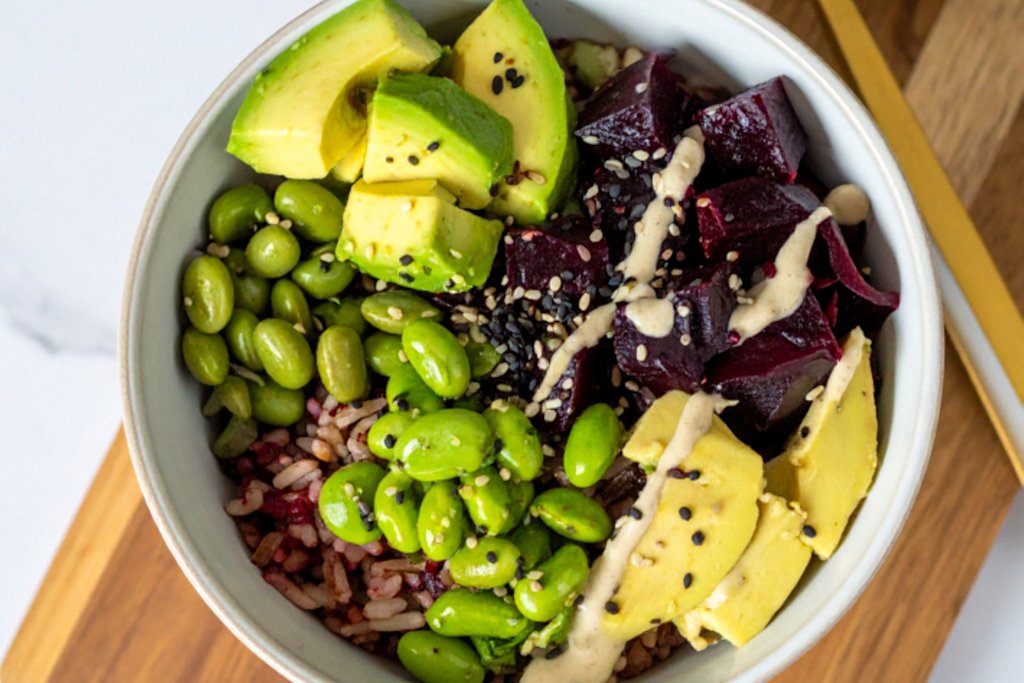
Edamame: Around 11g of protein per 100g, making it one of the best plant-based protein sources. It’s also a complete protein, meaning it contains all nine essential amino acids. Great in salads, poke bowls, mashed on toast or as a snack.
Soybeans (including tofu and tempeh): People don't usually think of tofu and tempeh as vegetables, but they're excellent high-protein options derived from soybeans, hitting around 12–17g per 100g depending on form.
Lentils: Technically a legume, but often grouped with vegetables in everyday eating. Around 9g of protein per 100g (cooked). Incredibly versatile (add them to nachos, salads, curries or soups) and cheap as chips.
Broad beans (fava beans): About 8g per 100g cooked. They’re a bit more effort to prep, but genuinely delicious when done right.
Black beans and chickpeas: Both hover around 7–9g per 100g cooked. Chickpeas in particular are the MVP of the plant-based protein world, and they show up in everything from hummus to curries to roasted snacks.
Green peas: Often underestimated, peas come in at around 5g per 100g and are one of the easiest vegetables to add to basically any meal.
Spinach: Lower than the above options at around 2–3g per 100g, but spinach is so easy to eat in volume that it adds up. It's also loaded with iron and other micronutrients.
Broccoli: About 2.8g per 100g, plus it’s high in fibre and vitamin C. A genuinely underrated vegetable.
Brussels sprouts: Around 3.4g per 100g and one of the more protein-dense brassicas. Also much better than their terrible reputation suggests when roasted and seasoned properly.
Corn: Around 3.2g per 100g. Useful as a base for dishes and easy to include in bowls and salads.
Vegetables are doing more for you than protein
To be clear: some vegetables do offer more protein than others, but we're also not suggesting that vegetables on their own are enough to easily tick off your daily protein intake unless you're intentionally eating a regular mix of tofu, tempeh, legumes and beans. Getting your protein from green beans and spinach isn't going to cut it.
The point is that you can easily increase your protein intake with your choice of vegetables, not to mention that vegetables have so much more to offer nutritionally than protein.
They’re the primary source of fibre in most diets, which supports your gut health, keeps digestion regular, and feeds the good bacteria in your microbiome. They also provide vitamins and minerals that are difficult or impossible to get in meaningful quantities from protein sources alone, such as vitamin C, folate, potassium, and magnesium.
The research on vegetable consumption is pretty consistent: people who eat more vegetables tend to have lower rates of chronic disease, better energy levels, and healthier body weight over the long term. That’s not a coincidence.
The goal isn’t to replace protein with vegetables; it’s to make vegetables a bigger, more enjoyable part of how you eat every day. If some of those vegetables happen to bring some extra protein with them, even better.
Meal ideas to make it easy
You don’t need to overhaul your entire diet to eat more high-protein vegetables. Here are a few genuinely easy meals ideas:
Edamame and brown rice bowl: Start with a base of brown rice or quinoa, then add steamed edamame, sliced avocado, cucumber, shredded carrot, and a drizzle of tamari and sesame oil. Ready in 15 minutes and genuinely satisfying. Add a soft-boiled egg, tofu or some grilled salmon if you want to boost the protein further.
Lentil and roasted veggie soup: Red or green lentils simmered with onion, garlic, canned tomatoes, vegetable stock, and whatever roasted vegetables you have on hand (sweet potato and capsicum work really well). This one freezes well and is a lifesaver for busy weeks or cold nights.
Chickpea and spinach curry: One of the easiest curries you can make. Canned chickpeas, canned tomatoes, baby spinach, onion, garlic, ginger, and a good curry paste or blend of spices (plus some coconut milk if you'd like extra creaminess). Whipped up in under 30 minutes, and genuinely delicious the next day too.
Roasted broccoli and brussels sprouts with halloumi: Toss both in olive oil and roast at high heat until golden and crispy. Serve alongside pan-fried halloumi and a tahini dressing. This works as a main (add some bulk with quinoa, soba noodles or rice), or a seriously good side.
Green pea and feta fritters: Blitz frozen peas (no need to thaw), eggs, feta, and a bit of flour into a batter and pan-fry into fritters. High in protein, easy to prep, and great as a quick lunch with some leafy greens.
More plants is always a good thing
Vegetables aren’t just there to make your plate look colourful (though that’s a bonus). The best high-protein vegetables can contribute meaningfully to your daily protein intake while also delivering fibre, micronutrients, and all the long-term health benefits that come with eating more plants.
You don’t need to be vegetarian or plant-based to make the most of them. Just eat more of the good stuff, build meals that actually taste good, and let the protein take care of itself.
A more empowered you starts with Sweat, and our editorial team is here to bring you the latest fitness tips, trainer recommendations, wellbeing news, nutritional advice, nourishing recipes and free workouts.
* Disclaimer: This blog post is not intended to replace the advice of a medical professional. The above information should not be used to diagnose, treat, or prevent any disease or medical condition. Please consult your doctor before making any changes to your diet, sleep methods, daily activity, or fitness routine. Sweat assumes no responsibility for any personal injury or damage sustained by any recommendations, opinions, or advice given in this article.
Nutrition