Does Eating Kiwi Fruit Before Bed Really Help You Sleep Better?
We dive into the science to discover whether this is a genuine health hack or just another fad.

August 21, 2026 - Updated August 21, 2026
Sleepmaxxing. Mouth taping. Temperature-controlled mattresses. Weighted blankets. Blue light glasses. When it comes to the latest sleep hack, social media is full of tips and tricks promising that elusive eight hours of quality rest.
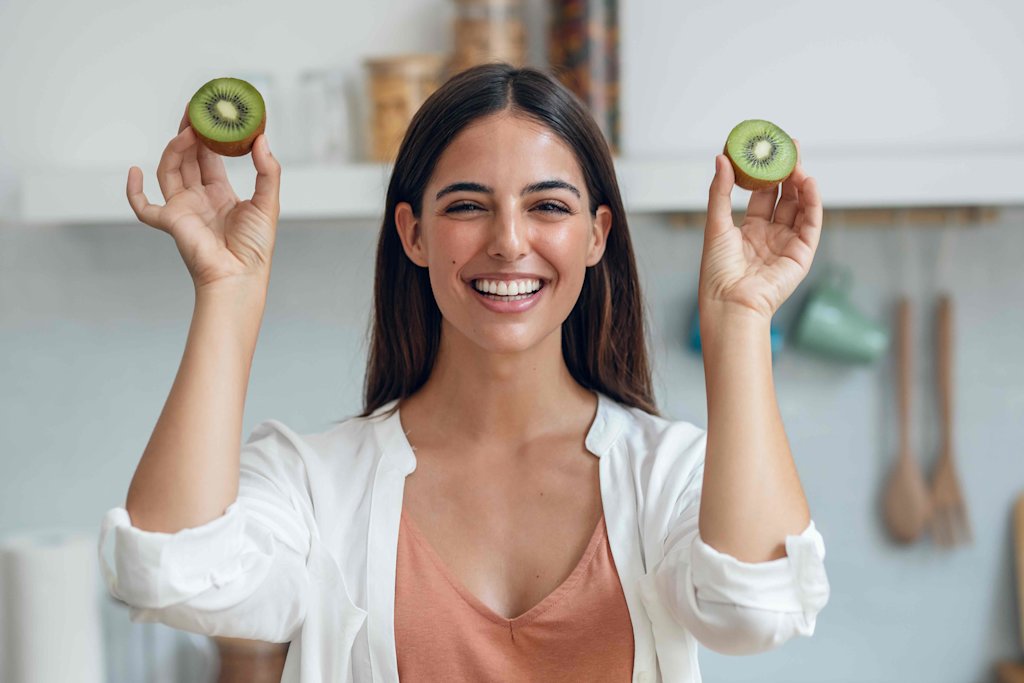
But the trend that has everyone heading to the grocery store is surprisingly simple. No wearables or gadgets. No supplements with an ingredient list you can’t quite make sense of. And no crazy wind-down routine. Just two kiwi fruit eaten about an hour before bed.
The benefits? If this works, you’ll (apparently) fall asleep faster, wake up less throughout the night and feel more rested the next day. So does the research back it up?

Why might kiwi fruit help you sleep?
Kiwi fruit's reputation as a sleep aid doesn't just come from social media; it actually has a decent amount of evidence behind it.
There are a few reasons why this nutrient-dense fruit is commonly linked to a better night’s sleep, and why eating two seems to be the golden number:
It contains serotonin and melatonin: kiwi fruit is one of the few fruits with both. Serotonin (aka the “feel-good” chemical) helps support your mood and regulates your sleep and wake cycles, while melatonin tells your body when it’s time to get some sleep. If you're not a kiwi fan, Hartford HealthCare says pineapple and tart cherries also tick the serotonin and melatonin boxes.
It’s a vitamin C powerhouse: did you know that gram for gram, kiwi fruit has almost twice the vitamin C of an orange? A single kiwi fruit also covers most adults' daily requirement. It's even earned the moniker of “the health fruit” in Italy. Vitamin C works to support your immune system, promotes iron absorption, and fights fatigue, while one study of nearly 70,000 participants found that adequate dietary vitamin C intake helps reduce the risk of developing sleep disorders.
It’s a great source of folate: while more research into the link between folate (aka vitamin B9) and sleep is needed, low folate levels have been linked to a higher risk of insomnia and chronic fatigue.
So, what does the research have to say?
Unlike most viral sleep hacks, this one has real studies behind it, most notably a 2011 study that looked at adults with sleep problems and a 2023 paper examining the effects on elite athletes.
In 2011, researchers at Taipei Medical University set out to evaluate whether kiwi fruit’s serotonin content could help treat sleep disorders. Their study examined 24 adults (two men and 22 women) with self-reported sleep problems who ate two kiwi fruit an hour before bed for four weeks. Using a combination of questionnaires, sleep diaries, and a medical-grade wearable called an actigraph, they found participants fell asleep faster, woke less during the night, and slept longer by the end of the study.
The 2023 study further explored the link between kiwi fruit and better sleep, focusing on 15 elite athletes (nine men and six women) over five weeks. In weeks two to five, the athletes ate two kiwi fruit an hour before bed each night, and researchers then compared their sleep using questionnaires and daily sleep diaries. The results? Meaningful improvements in sleep quality, along with increases in total sleep time and sleep efficiency. They also woke up less often throughout the night and reported improvements to their stress levels.
Both studies followed participants for four weeks, so researchers from Massey University in New Zealand wanted to know just how long it takes to feel the effects. They found that eating kiwi fruit has an immediate positive impact on sleep and mood, with participants not only reporting improved sleep quality, but that getting up the next day was easier and they started the day in a better mood.
The research is promising and consistent, but these are small studies, and no single food will ever outweigh the basics like a consistent bedtime, avoiding afternoon caffeine, and limiting screen time before bed. Always nail that stuff first.
Still wondering why everyone is recommending two kiwi fruit over one? Two is considered a serving and it's the amount used in most research, but one a day is still good for you. When it comes to skin on or off, that one’s up to you.

What are the other benefits of eating kiwi fruit?
A good night’s rest isn't the only reason kiwi fruit has a bit of a reputation as a nutritional powerhouse, with the Cleveland Clinic highlighting many other benefits of including kiwi in your diet:
It promotes overall digestive health: kiwi fruit is a great source of fibre, which can help make your bowel movements more comfortable and regular, while also reducing bloating and discomfort as stools work their way through your colon. That fibre also acts as a prebiotic, feeding the good bacteria in your gut to keep everything in balance.
It’s rich in antioxidants: thanks to its vitamin C and vitamin E content, kiwi fruit is a great source of antioxidants which work to support immune and heart health.
It’s a great source of potassium: we often picture bananas when we think of potassium-rich fruits, but kiwis deliver here too. This essential dietary mineral plays a critical role in the health of our heart, kidneys, nerves, and muscles.
It supports your overall bone health: yes, really. Kiwi fruit is rich in vitamin K, which can help improve bone density and lower your risk of osteoporosis.
If you’re after a nutritious snack before hitting the hay and could do with a bit more quality shut-eye, a couple of kiwi fruit is an easy one to try. Eating two kiwi fruit alone definitely won't undo poor sleep habits, but it's a low-effort, affordable, evidence-backed addition to your sleep toolkit.
And if you’re after more delicious ways to include kiwi in your diet, try our Super Green Smoothie and Mango & Kiwi Parfait recipes in the Sweat app.
Amy is a writer and editor at Sweat. She has over a decade of experience in women’s publishing and digital media and has previously worked across titles including Mamamia, Grazia and Cosmopolitan.
* Disclaimer: This blog post is not intended to replace the advice of a medical professional. The above information should not be used to diagnose, treat, or prevent any disease or medical condition. Please consult your doctor before making any changes to your diet, sleep methods, daily activity, or fitness routine. Sweat assumes no responsibility for any personal injury or damage sustained by any recommendations, opinions, or advice given in this article.
Nutrition