Is Cortisol Belly Even A Real Thing?
The science behind the whole "cortisol belly" thing is far more nuanced than many conversations suggest. Here's what's real, what isn't, and what you need to know.

September 21, 2026 - Updated September 21, 2026
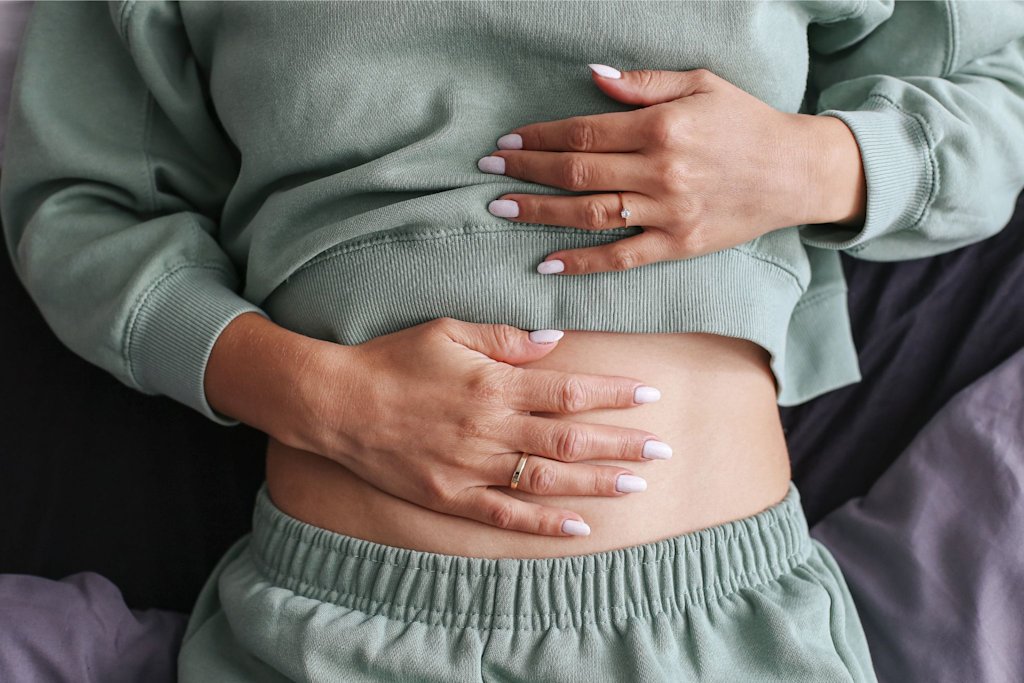
We're a bit sick of seeing everything be blamed on high cortisol. If you're having issues with energy, brain fog, weight gain, skin, your gut... Cortisol is always to blame (apparently).
One of the so-called issues that cortisol is responsible for is "cortisol belly," or weight gain around your abdomen. If you're someone who is genuinely feeling stressed, juggling a million things and not sleeping well, it can seem like a really logical and compelling answer, and yes, cortisol can influence where your body stores fat, but "cortisol belly" isn't a medical diagnosis, and it definitely isn't something you can self-diagnose.
Here's what you need to know.
What is cortisol belly, and is it a real thing?
Cortisol belly is a social media term, not a clinical one. It describes weight gain around the midsection that people put down to chronic stress and high cortisol levels, one of the body's main stress hormones.
The underlying biology is real. Cortisol helps regulate all sorts of things like blood sugar, blood pressure, metabolism and your sleep-wake cycle, and it can influence where the body stores fat, including visceral fat, which sits deeper in the abdomen around the organs.
What isn't accurate is the idea that cortisol is the main or only reason things change around your middle, and research has struggled to find a consistent relationship between cortisol levels and weight or metabolic parameters. Fat distribution is shaped by genetics, age, hormones, sleep, activity, alcohol, overall energy intake and life stage. Cortisol is just one of many factors.
What the research actually says about cortisol and belly fat
A study of 2,527 adults in the English Longitudinal Study of Ageing measured cortisol in hair, which reflects exposure over months rather than a single moment. Higher levels were associated with greater weight, BMI and waist circumference, and with obesity persisting over four years (Jackson et al., Obesity, 2017).
Earlier research found that women carrying more weight around their middle reported more chronic stress and produced more cortisol in response to repeated lab stressors, and the pattern showed up in lean women too (Epel et al., Psychosomatic Medicine, 2000).
However, research also supports the opposite view. That earlier study concluded that it found no clinically relevant associations between perceived stress and any cortisol parameter or weight. Other research has found that carrying more body fat can itself even change how cortisol behaves (van Rossum, Obesity, 2017).
Because so many factors contribute to weight gain and body shape, it's not surprising that the research is so mixed.
What does cortisol belly look like?
This is one of the most searched questions on the topic, and the pattern people describe is having more fat around your midsection with slimmer arms and legs. It can be a genuine feature of medical cortisol excess, but you can't diagnose that by appearance alone, and we'll say it again: "cortisol belly" is mostly a social media term.
Plenty of women store fat around their middle for reasons (like genetics, natural ageing or the hormonal changes of menopause) that have nothing to do with stress hormones, and having some fat around your belly doesn't necessarily mean you've got a health problem either.
You can't assess visceral fat by eye either, because it sits internally behind the abdominal wall. Waist measurement gives a rough guide, and imaging is the only accurate way to measure it.
When it's worth talking to your doctor
True cortisol excess has a name: Cushing's syndrome. It's very rare, affecting an estimated 40 to 70 people per million, though it's around three times more common in women and most often diagnosed between age 30 and 50 (NIDDK).
Signs that are worth a conversation with your doctor:
Rapid weight gain around the midsection and face
Thinning skin
Purple stretch marks
Easy bruising
Muscle weakness
High blood pressure
Persistent fatigue
And if you've considered buying at-home cortisol tests (or it's something you've already tried), please remember that cortisol naturally rises and falls across the day (and any kind of exercise will naturally increase your cortisol), so a single sample tells you very little, and research on home sampling suggests three to four days of collection are needed for a reliable picture (BMC Research Notes, 2021).

Why sleep and life stage matter more than most people realise
Sleep should always be a part of any conversation about weight gain. In a controlled inpatient trial, healthy adults restricted to four hours of sleep for two weeks ate around 300 extra calories a day and increased their abdominal visceral fat by roughly 11%, with visceral fat still climbing during the recovery period (Covassin et al., Journal of the American College of Cardiology, 2022).
Research has also shown that disturbed sleeping patterns lead to increased energy intake, partly from excessive snacking, mainly on foods high in fat and carbohydrates. But if you're not sleeping well because of stress, it's easy to understand why you'd see a reel on TikTok about your cortisol belly and think that's the key issue. They're connected, but there can be several pieces to this puzzle.
Then there's the menopause transition. Tracking 1,246 women with DXA scans, researchers found visceral fat began rising as the transition started, increasing by around 6% a year before slowing after the final period (Greendale et al., Journal of Clinical Endocrinology & Metabolism, 2021). If you're in your forties and noticing changes while doing everything you did at 30, this is likely a bigger part of the picture than stress alone.
Do cortisol supplements help?
If you're genuinely concerned about your cortisol levels or weight gain, start by seeing your healthcare professional to assess what's really going on before you think about spending money on supplements you may not even need.
If you've seen anything about magnesium, cortisol-blocking blends and anything sold as some kind of "cortisol detox", there's no good evidence they reduce abdominal fat. A lower number on a random cortisol test doesn't automatically mean a meaningful change in your body.
Supplements aren't a problem in themselves (you might genuinely have a deficiency in something) - it's just worth checking with your doctor first rather than winging it or assuming because you heard something is amazing on socials that it's amazing for you. Everyone's body is so different! There's no point in taking a supplement your body may already have plenty of, or risking an excess.
What actually helps
None of this is glamorous or a quick-fix product you can pick up at the pharmacy. If that's what you were looking for, sorryyyyy.
Protect your sleep. Given the evidence above, this is the highest-value change most people can make for both stress and weight gain. Aim for seven to nine hours, with consistent sleep and wake times if you can.
Train in a way you can repeat. A network meta-analysis of 84 randomised trials found moderate-intensity aerobic exercise, resistance training, combined training and HIIT all reduced visceral fat, though in women, aerobic and combined training showed the more consistent effect (Chen et al., Obesity Reviews, 2024). Two or three strength sessions plus cardio you don't dread is a solid place to start.
Don't try to out-train the stress. If you're already stretched thin and you're super stressed out, adding daily high-intensity sessions can make things worse. Moderate weight lifting, walking, mobility and lower-intensity work might be the sweet spot for you.
Eat regularly, with enough protein and fibre. Long stretches without food (or snacking on sugar) make late-afternoon decisions harder for everyone.
Be mindful of caffeine and alcohol. It's natural to reach for more caffeine when you're tired, but this can exacerbate a vicious sleep cycle where you're wired at night and can't sleep. No caffeine after lunch can be a good habit to test out. The same goes for reaching for alcohol to relax. It can feel calming in the moment, but alcohol impairs your sleep quality.
Build in real recovery. A walk without your phone, breathwork, time outdoors, call your bestie, pat your dog, take a holiday. Do things that help you unwind.
If you want structure while you get your sleep and training back on track, the Sweat app has plenty of strength and low-impact programs built for real schedules.
Look at the whole picture
Cortisol belly isn't a diagnosis, and stress hormones alone don't explain what's happening around your middle. There's always a bigger picture to consider. What the evidence does support is that chronic stress, short sleep and life stage all influence where your body stores fat, and that the answer isn't a single supplement.
Starting with your sleep is always a great idea. Add strength training and cardio you can sustain. Eat enough (focusing on fiber and protein), and often enough so you don't end up ravenous. And if your symptoms feel more significant than everyday stress, always see your doctor rather than doomscrolling for answers.
And finally, remember that not all weight gain or body fat is a problem. We live in a culture that demonises weight gain, but there's a huge difference between a healthy body fat percentage and one that's actually a health concern.
A more empowered you starts with Sweat, and our editorial team is here to bring you the latest fitness tips, trainer recommendations, wellbeing news, nutritional advice, nourishing recipes and free workouts.
* Disclaimer: This blog post is not intended to replace the advice of a medical professional. The above information should not be used to diagnose, treat, or prevent any disease or medical condition. Please consult your doctor before making any changes to your diet, sleep methods, daily activity, or fitness routine. Sweat assumes no responsibility for any personal injury or damage sustained by any recommendations, opinions, or advice given in this article.
Wellbeing