Is 6 Hours Of Sleep Enough? Unless You're A Rare Part Of The Population, No
Everyone is different, but most of us need at least seven hours a night. Here's how less than that can start to affect your health.

October 5, 2026 - Updated October 5, 2026
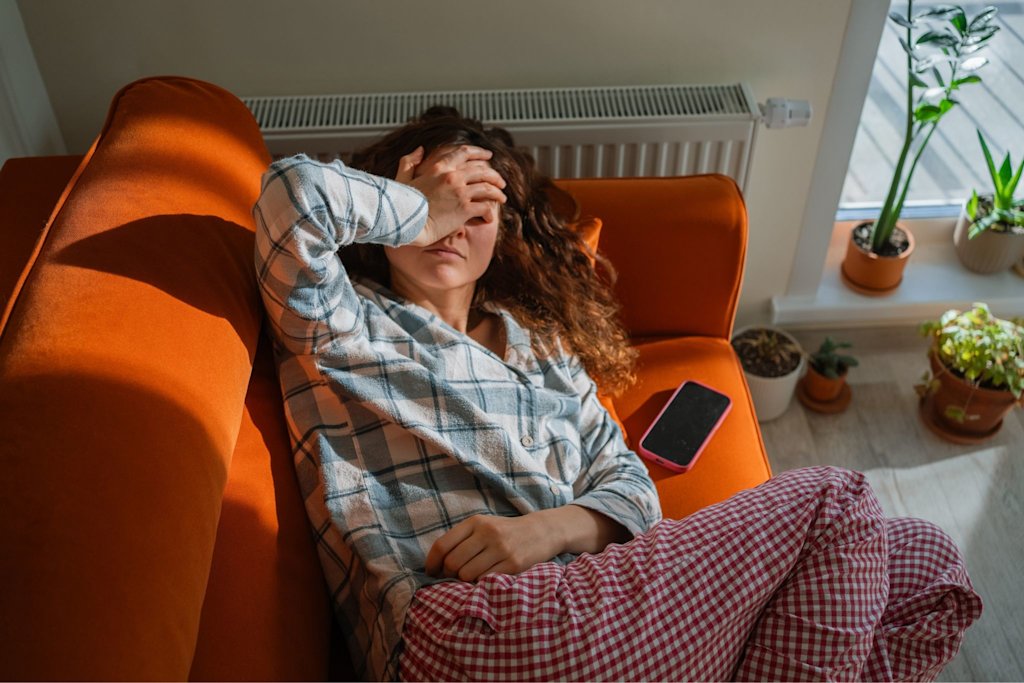
You can get by on six hours of sleep. You know you can, because whether you were out with friends, up with a screaming baby, up with anxiety or up working to hit a deadline, we've all done it plenty of times.
But if you're asking whether six hours is enough, that already tells you something. It also raises a second question: enough for what?
Enough to get through a single day and be fine? Usually, yes. You might feel a bit of brain fog, increased more snack cravings or be yawning your head off by lunchtime, but you should be fine. Is that enough for your body to recover from workouts, keep your appetite steady, and stay sharp week after week? For most adults, no. When we're talking about ongoing sleep habits rather than one bad night, most of us need at least seven hours a night, even if six feels like you're coping just fine.
And even though we're a fitness app, if your daily 5:30 am workout alarm is why you're only getting six hours, we'd genuinely rather you skipped a few workouts to sleep. Rest and recovery are foundational parts of your health and training, and you don't have to earn them. If that early session is the only time you'll realistically train, keep it and move your bedtime earlier instead. Or skip a workout or two when you're tired. Just don't keep cutting sleep to train.
How much sleep do adults actually need?
Most adults need at least seven hours of sleep a night. That's the recommendation from the American Academy of Sleep Medicine and Sleep Research Society, and the CDC recommends the same for adults aged 18 to 60.
So six hours (or six and a half) sits just under the minimum. One short night isn't something to stress about, even if the sleep score from your wearable is making you panic. Calm down, you'll be totally fine. It's when six hours becomes your normal, night after night, that it starts to add up.
Seven hours also means seven hours asleep, not seven hours in bed. Kayla Itsines has made this point to our community before: the number that counts is the time you actually spend sleeping. If it takes you 30 minutes to drift off and you wake up during the night, you may need to adjust your bedtime.
For more on how hormones, caregiving and life stage affect women's sleep, read how much sleep do women need.
Why six hours of sleep can feel fine (even when it isn't)
If you're one of those people who consistently gets about six hours of sleep and thinks you're just wired differently, we hate to say it, but you probably aren't.
In one of the best-known sleep studies, researchers limited people to six hours of sleep a night for two weeks. By the end, their attention and memory had dropped to about the same level as people who had stayed awake for up to two nights straight.
But the six-hour group didn't necessarily feel much sleepier as the days went on. Their performance kept slipping, while their sense of how tired they were levelled off.
When you've been short on sleep for weeks, feeling "a bit tired" quickly becomes your baseline. You just adapt. Add a morning coffee (or three), and it's easy to decide you're just someone who doesn't need much sleep. But in reality, you could be feeling SO much better.
Are some people fine on six hours of sleep?
A small number of people are, but it's something you're born with thanks to a genetic mutation, rather than something you can train yourself into. Research doesn't support the idea that most people can run consistently well on six hours.
Being wired this way is very rare, though. It's probably not you if:
You need an alarm to wake up most mornings
You sleep in whenever you get the chance
You rely on caffeine to get through the day
You fall asleep within minutes of your head hitting the pillow
You feel tired or like you're not operating at your best

What six hours of sleep does to your workouts, appetite and health
We say it all the time, but sleep isn't a "nice to have". You don't prioritise your nutrition and workouts over your sleep. Because a lack of sleep doesn't just make you tired; it affects so many parts of your health and everything you're working towards with your training.
When you don't get enough sleep, your workouts feel harder. The same session can feel much tougher when you're tired, which you'll notice if you track your rate of perceived exertion. If a workout you normally rate a 6 out of 10 suddenly feels like an 8, poor sleep is one of the first things to check.
When you don't get enough sleep, your recovery can slow down. Sleep is when your body does a lot of its muscle recovery. One study found that a single night without sleep reduced muscle protein synthesis by 18%, which is the process your muscles use to rebuild and get stronger after strength training.
When you don't get enough sleep, you feel hungrier. Research shows that lack of sleep can affect the parts of the brain involved in appetite regulation and is associated with increased cravings for high-calorie foods. The Sleep Foundation explains that sleep promotes a healthy balance of hormones, including those that regulate appetite, digestion, and metabolism.
When you don't get enough sleep, it can take a toll on your cognitive and long-term health. Everyone knows firsthand that a lack of sleep can mess with your mood, mental health and cognitive function, and regularly sleeping less than seven hours is also linked to a higher risk of high blood pressure, heart disease, type 2 diabetes and frequent mental distress.
This is why we'd rather you did three well-rested workouts a week than five tired ones. You'll lift more, recover faster and probably enjoy your sessions a lot more, both this week and in 20 years' time!
Can you catch up on sleep at the weekend?
Partly. A weekend sleep-in can help you feel less tired, absolutely! But it doesn't undo everything. Research covered by Harvard Health found that people who slept less during the week and caught up on weekends still saw effects on their metabolism and late-night snacking.
A big sleep-in can also throw your sleep schedule out of whack, making it harder to fall asleep on Sunday night, which then sets you up for a tired Monday. Life is for living, and we're so sick of people sacrificing a social life because they're worried about wrecking their sleep score, so don't get hung up about the occasional late night or sleep-in; just do your best! If you can, try to keep your wake-up time within about an hour of your weekday alarm and go to bed a little earlier. Our guide to sleep debt has more on this.
How to get more sleep when your schedule is already full
You don't need to change your whole routine or say no to everything to be in bed. Pick one or two of these to start:
Move your bedtime 15 minutes earlier. Stick with it for a week, then add another 15. Two weeks later, you've found an extra 30 minutes without having to rearrange your whole evening.
Keep the same wake-up time every day. A consistent wake time helps your body clock know when to feel sleepy at night, including on weekends.
Have your last coffee earlier. In one study, a strong dose of caffeine (roughly two to three cups of coffee) taken six hours before bed still cut sleep by more than an hour. If you go to bed at 10 pm, try making 2 pm your coffee cut-off, or switch to decaf after lunch. We also cover caffeine timing in our guide to coffee before a workout!
Give yourself a proper 20-minute wind-down. We've all said "just one more episode" or "five more minutes of scrolling" and checked the time an hour later. Try charging your phone outside the bedroom and reading, stretching, or taking a shower before bed instead and see what happens.
Think about when you train. Regular exercise can help you sleep better, but a high-intensity session in the evening leaves some people feeling wired at bedtime. If that's you, move harder workouts earlier in the day and keep evenings for yoga, stretching or a walk.
What to do when six hours is all you can get
Everyone knows that getting more sleep isn't necessarily a matter of willpower and good intentions.
High stress, a toddler who keeps waking, a week of late shifts, the nights before your period when cramps keep you up, or the night sweats that can come with perimenopause can all cut into your sleep, no matter how much you try and stick to a good routine.
In these moments, give yourself permission to change your training to match your sleep (with ZERO guilt), not the other way around:
Swap intensity, not consistency. Trade a HIIT session for a 30-minute walk or a rest day. Keep your strength sessions, but stay at the same weights (or slightly lighter) rather than trying to go heavier.
Take a short nap if you can. A nap isn't always doable with work, but a 20-minute power nap in the early afternoon can take the edge off without making it harder to sleep that night.
Protect the sleep you do get. If your nights are broken, a consistent bedtime and wake time matter even more.
If you're spending seven or more hours in bed and still waking up exhausted, regularly struggling to fall or stay asleep, snoring loudly, or dealing with ongoing sleep disruption from your cycle or perimenopause, talk to your doctor. Sleep issues are treatable, and you don't have to just push through.
Get your rest
Six hours is enough to get by. But we don't want you just getting by; that's not a vibe for you, your health or the people around you who want to see you thrive.
For most adults, six hours isn't enough to recover from workouts, keep your energy and appetite steady, and feel like yourself week after week, and the research shows the effects often build up without you noticing.
Think of sleep as a non-negotiable part of your training plan, and if you're running on fumes this week, know that you can swap workouts for walks without feeling bad about it.
Erin is a writer and editor at Sweat with years of experience in women's publishing, the fitness industry, media and tech. She's passionate about the power of movement, and you can often find her on a yoga mat, a hike, a dance floor, in the ocean or the gym.
* Disclaimer: This blog post is not intended to replace the advice of a medical professional. The above information should not be used to diagnose, treat, or prevent any disease or medical condition. Please consult your doctor before making any changes to your diet, sleep methods, daily activity, or fitness routine. Sweat assumes no responsibility for any personal injury or damage sustained by any recommendations, opinions, or advice given in this article.
Wellbeing